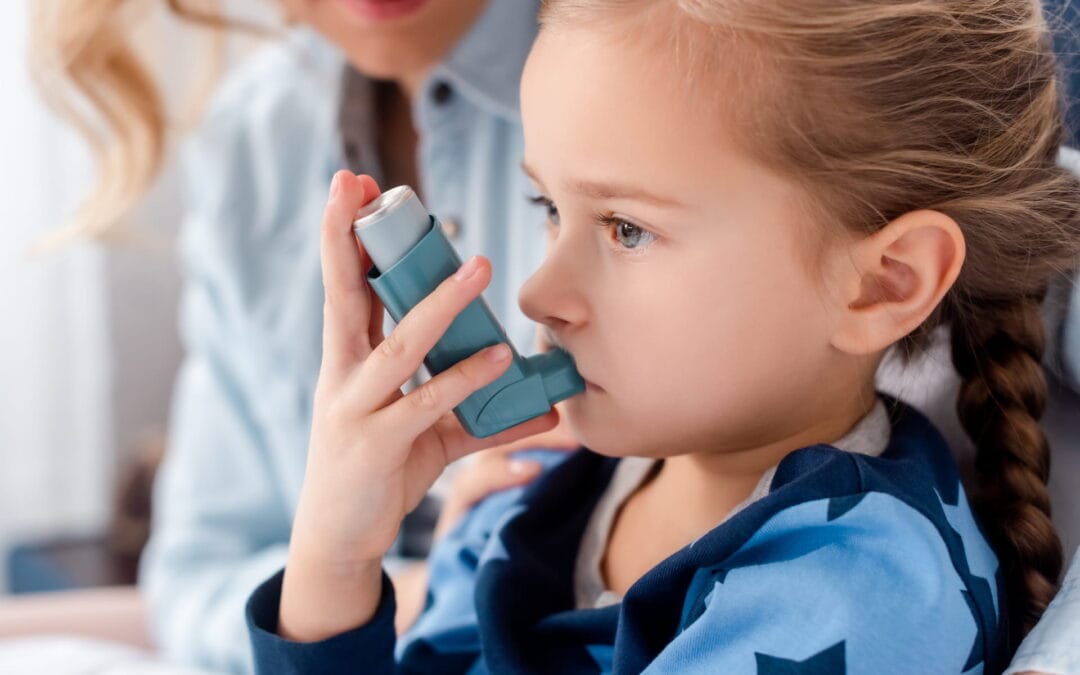
Asthma in children can be frightening because symptoms can change quickly and may become serious without fast attention. Parents should understand the signs that suggest a child may need medical care, especially when breathing becomes difficult or symptoms do not improve with prescribed medicine. A pediatric urgent care can help evaluate asthma symptoms that need prompt treatment but do not clearly require emergency room care. The CDC reports that children under 18 had 270,330 asthma-related emergency department visits in 2020, which shows why asthma in children should be monitored carefully.
1. Difficulty Breathing
Difficulty breathing is one of the most concerning signs of a serious asthma attack. A child may breathe quickly, use the neck or chest muscles to breathe, or show pulling in around the ribs. These signs can mean the child is working harder than normal to move air through narrowed airways. MedlinePlus explains that albuterol is used to treat difficulty breathing, wheezing, shortness of breath, coughing, and chest tightness caused by asthma and other lung diseases, which highlights why difficulty breathing during an asthma flare should be taken seriously.
- Rapid breathing can increase during an asthma attack and may signal that the child is struggling to get enough air.
- Neck and chest muscle movement during breathing can indicate respiratory distress.
- Pulling in around the ribcage can be a warning sign of a more serious breathing problem.
2. Wheezing or Whistling Sound
Wheezing is a high-pitched whistling sound that can happen when airways are narrowed or irritated. It is often easier to hear when a child breathes out, although it may also occur while breathing in. Severe wheezing, continuous wheezing, or wheezing that does not improve with prescribed quick-relief medicine should be evaluated promptly. MedlinePlus explains that wheezing is a sign that a person may be having breathing problems, which makes wheezing in children an important asthma symptom to watch closely.
- Wheezing is a common asthma symptom that can indicate airway narrowing or obstruction.
- Severe wheezing that does not improve with a prescribed quick-relief inhaler may require urgent medical care.
- Continuous wheezing, especially with chest tightness or trouble speaking, can be a sign that a child needs prompt evaluation.

3. Persistent Coughing
A persistent cough that worsens at night or during physical activity can be a sign of an asthma flare-up. The Asthma and Allergy Foundation of America (AAFA) states that coughing from asthma may be a sign that a child’s lungs are not getting enough air. If the cough is relentless and does not respond to initial treatment, it’s time to seek medical help.
- Nighttime coughing can indicate poorly controlled asthma.
- Coughing that escalates during physical activity may signal exercise-induced asthma.
- A relentless cough that does not respond to medication requires urgent care.
4. Retractions
Retractions refer to the visible sinking of the areas between the ribs, below the ribcage, or in the neck during breathing. This sign indicates that the child is working harder to breathe. The National Heart, Lung, and Blood Institute (NHLBI) emphasizes that retractions are a sign of respiratory distress and warrant immediate medical evaluation.
- Visible sinking of the skin between the ribs or around the neck during breathing is a serious sign.
- Retractions indicate severe difficulty in breathing.
- This symptom requires prompt medical attention to prevent further complications.
5. Blue Lips or Fingernails
A change in color to blue lips or fingernails (cyanosis) indicates a critical lack of oxygen in the blood. This is a medical emergency. The CDC warns that cyanosis requires immediate action and urgent care to ensure that oxygen levels are restored to prevent serious outcomes.
- Blue lips or fingernails are a sign of severe oxygen deprivation.
- Cyanosis is a medical emergency that requires immediate urgent care.
- This condition signifies that the asthma attack is life-threatening.

Key Takeaways for Recognizing Urgent Asthma Signs in Children
Recognizing the signs that indicate a child may need urgent care for asthma is crucial for every parent. Difficulty breathing, wheezing or whistling sounds, persistent coughing, retractions, and blue lips or fingernails are all signs that should prompt immediate medical attention. Early recognition and action can significantly impact the outcome of an asthma attack, potentially saving a child’s life. Parents should always have an asthma action plan in place, developed in consultation with their child’s healthcare provider, to manage asthma symptoms and know when to seek urgent care.
Frequently Asked Questions
1. What is the most common trigger for asthma in children? Environmental allergens such as pollen, dust mites, mold, pet dander, and tobacco smoke are common triggers for asthma attacks in children.
2. Can asthma attacks be prevented? While not all asthma attacks can be prevented, avoiding known triggers, following an asthma action plan, and using preventive medications as prescribed can significantly reduce the frequency and severity of attacks.
3. How do I know if my child’s asthma is getting worse? Signs that your child’s asthma may be worsening include an increase in coughing, difficulty breathing, needing to use a quick-relief inhaler more frequently, and a decrease in peak flow meter readings, if used.
4. When should I take my child to see a doctor for asthma? You should take your child to see a doctor if you notice symptoms of asthma, such as frequent coughing, wheezing, or difficulty breathing, especially if these symptoms worsen at night or during physical activity.
5. Can children outgrow asthma? Some children may experience a reduction in asthma symptoms as they grow older, but asthma can be a lifelong condition. It’s important to continue monitoring and managing symptoms under the guidance of a healthcare provider.