

Watching a child suffer a possible bone fracture can be distressing, especially when parents are unsure how serious the injury may be. Swelling, severe pain, bruising, deformity, or trouble moving the injured area can all point to a fracture that needs medical evaluation. A pediatric urgent care clinic can help assess certain suspected fractures when the injury is not life-threatening and the child is stable. MedlinePlus explains that the most common fracture treatment is a cast or splint to keep the bone from moving while it heals, which makes prompt care for a child bone fracture important.
Fracture Fundamentals
Bone fractures in children can happen during sports, playground activity, falls, bike accidents, or everyday rough play. A fracture may be a small crack, a complete break, or an injury involving the growth plate. Children’s bones are still developing, so proper evaluation matters for healing, alignment, and future growth. The American Academy of Pediatrics notes that approximately 15% of all fractures in children involve the growth plate, which makes pediatric fractures important to assess carefully.
Initial Response
The first moments after a suspected fracture are important for preventing further injury. Parents should keep the child calm, avoid unnecessary movement, and support the injured area in the position found when possible. Open wounds, visible deformity, numbness, pale skin, severe swelling, or intense pain should be treated as urgent warning signs. MedlinePlus advises not to move a person unless the broken bone is stable and not to straighten a bone or change its position unless blood circulation appears blocked and no trained medical help is nearby, which makes broken bone first aid important for parents to know.
Medical Assessment
Professional medical assessment is vital when a child may have a fracture. A healthcare provider can evaluate pain, swelling, movement, circulation, and the need for imaging or specialist follow-up. Each fracture is different, so treatment may involve a splint, cast, brace, medication guidance, activity restrictions, or orthopedic care. The American Academy of Pediatrics explains that clinicians should document fracture signs such as swelling, limited motion, and point tenderness, which shows why a careful fracture evaluation matters during a child’s medical visit.
Treatment Tactics
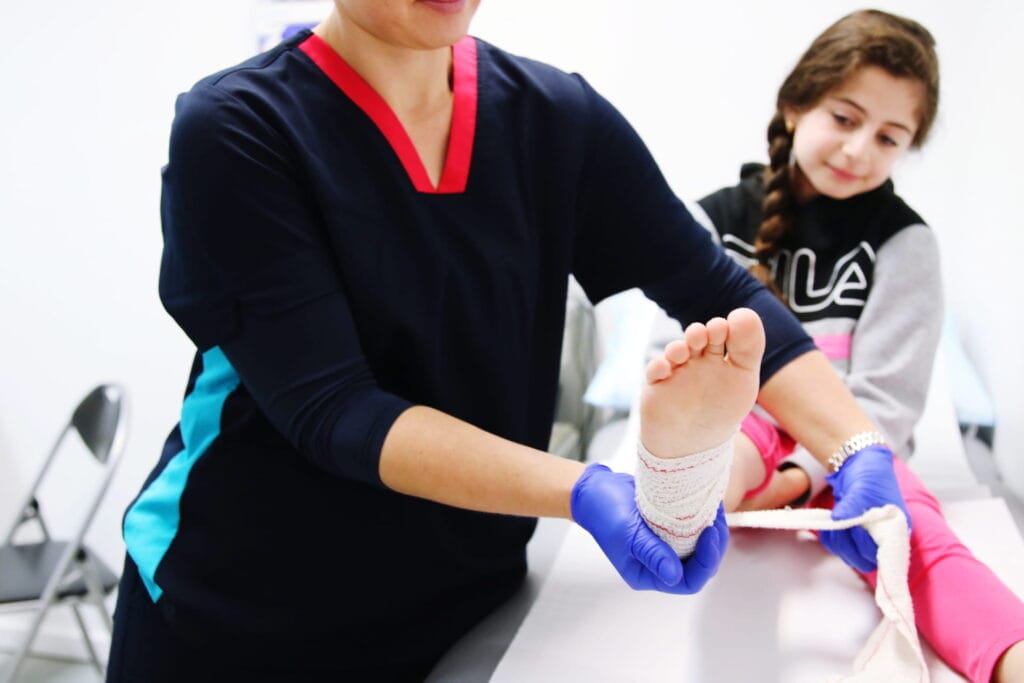
Treatment for pediatric fractures can range from casting and splinting to, in some cases, surgery. The CDC states that the majority of pediatric fractures are treated non-surgically. The goal is always to ensure proper healing while minimizing discomfort.
Pain Management
Managing pain is an important part of helping a child recover from a fracture. Pain relief may include rest, elevation, ice when recommended, over-the-counter medicine, or prescription medication depending on the injury and the provider’s instructions. Pediatric urgent care can help parents understand safe next steps for fracture pain when a child needs prompt evaluation but does not show emergency warning signs. MedlinePlus explains that children’s acetaminophen doses should be based on the child’s weight when possible, and children should not receive more than 4 doses in 24 hours, which makes pain management guidance important after an injury.
Comfort Measures
Keeping a child comfortable during fracture recovery can make the healing process easier for the whole family. A calm space, supportive pillows, quiet activities, and reassurance can help children cope while movement is limited. Comfort also includes watching for swelling, skin irritation, numbness, tingling, or pain that seems worse instead of better. Mayo Clinic explains that elevating a cast above heart level for the first 24 to 72 hours can help reduce swelling, which makes comfort measures useful during early recovery.
Home Care Strategies
Caring for a child with a fracture at home requires patience, attention, and consistent follow-through. Parents should follow the healthcare provider’s instructions, keep the cast or splint dry, monitor circulation, and avoid weight-bearing if the provider has advised against it. Follow-up appointments are important because healing, alignment, and activity restrictions may need to be checked over time. MedlinePlus advises keeping a cast dry and not walking on a cast unless a provider says it is safe, which makes fracture home care important for preventing complications.
Physical Therapy
Physical therapy may be part of recovery after certain fractures, especially when stiffness, weakness, or loss of motion occurs after immobilization. A physical therapist can guide safe exercises that help restore strength, flexibility, balance, and normal movement. Children should only perform exercises recommended by their healthcare provider or therapist because returning to activity too quickly can slow healing. The American Academy of Pediatrics explains that pediatric healthcare providers are frequently responsible for prescribing physical, occupational, and speech therapies and monitoring therapeutic progress, which supports the role of physical therapy during recovery when it is medically appropriate.
Emotional Support
A fracture can affect a child emotionally as well as physically. Children may feel scared, frustrated, bored, embarrassed, or upset when they cannot play, attend activities, or move normally. Parents can help by listening, explaining the healing process in simple terms, offering choices when possible, and keeping a calm routine. The American Academy of Pediatrics notes that social connection and family relationships can shape a child’s stress response and resilience, which makes emotional support an important part of healing after an injury.
Long-Term Outlook
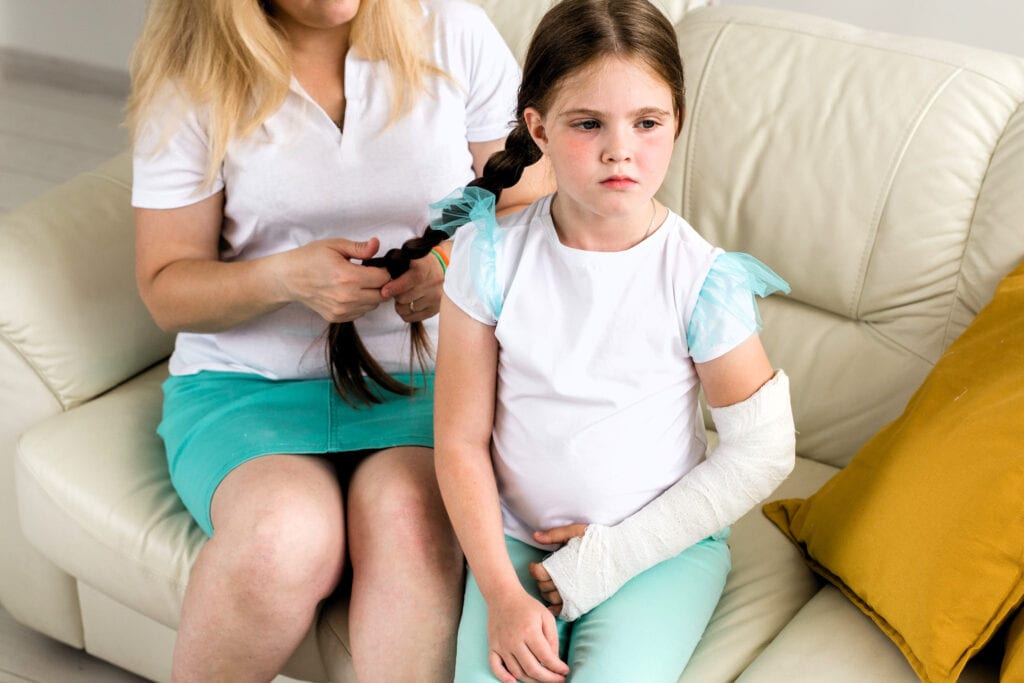
Most children recover completely from fractures with no long-term effects. However, it’s important to monitor their progress and look out for any signs of complications, such as pain after the fracture has healed. Encouraging a healthy lifestyle with a balanced diet and regular exercise can promote stronger bones and prevent future injuries.
Caring for a child with a fracture can be a challenging journey, but with the right information and support, it’s a path you can navigate successfully. Always rely on Pediatrics’ medical advice and stay informed about the latest in pediatric fracture care. Sharing your experience can also be a source of support for other parents in similar situations. Remember, your patience and care are vital in helping your little one bounce back stronger. A child with a suspected fracture, indicated by severe pain, swelling, or deformity in a limb, needs immediate medical evaluation.
Key Takeaways
- Pediatric fractures are common and manageable with the right approach.
- Immediate and appropriate response to a fracture is crucial.
- Professional medical assessment and following a tailored treatment plan ensure proper healing.
- Home care and emotional support play a vital role in your child’s recovery.
- Long-term follow-up is important to prevent complications and promote bone health.