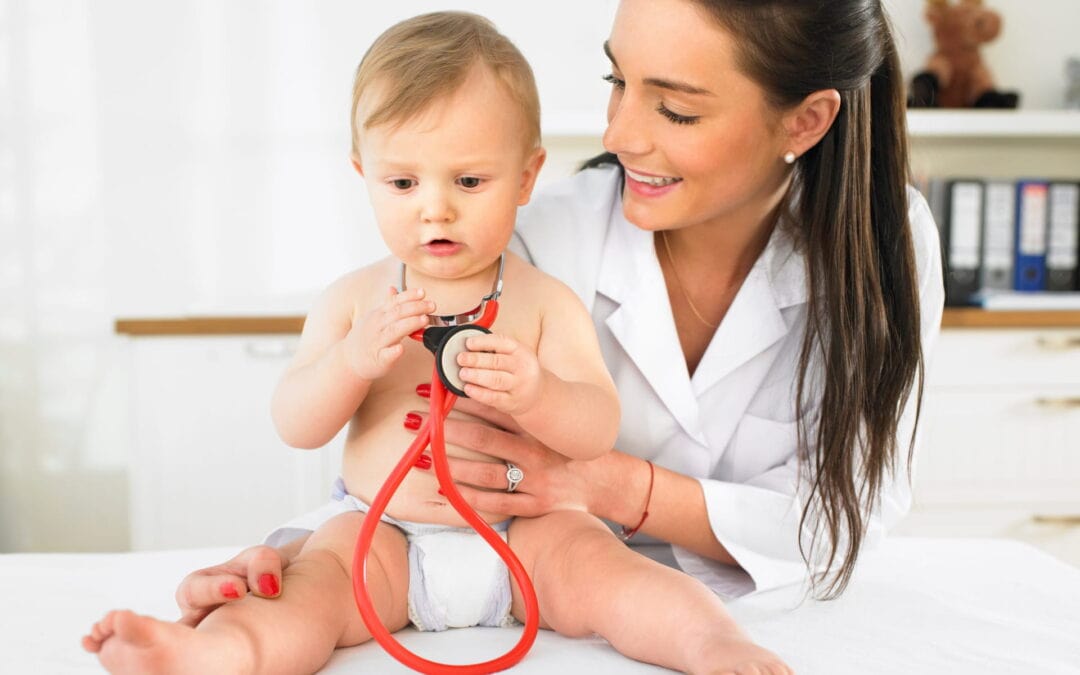
Respiratory syncytial virus, or RSV, is a common respiratory virus that can become serious in infants and young children. Parents should understand the risks, symptoms, and prevention steps that can help protect children during RSV season. Pediatric urgent care can help evaluate RSV symptoms when a child needs prompt medical attention but does not clearly need emergency room care. The CDC explains that most children get RSV by age 2, which makes RSV in young children an important illness for parents to understand.
Understanding RSV Risks
RSV is a contagious virus that can cause respiratory tract infections in people of all ages. Young children, premature infants, babies younger than 6 months, and children with weakened immune systems or certain heart, lung, or neuromuscular conditions may face higher risk of severe illness. Parents can lower risk by recognizing early symptoms, limiting exposure during illness, and speaking with a pediatrician about prevention options when a child is high risk. The CDC explains that infants, some young children, older adults, and people with weakened immune systems are at increased risk for severe RSV risks.
RSV Signs to Watch For
RSV symptoms can look like a common cold at first, including runny nose, congestion, cough, sneezing, fever, wheezing, and decreased appetite. Very young infants may show different signs, such as irritability, decreased activity, or breathing difficulties. Parents should seek medical care when a child has trouble breathing, is not drinking enough fluids, or has symptoms that continue to worsen. The CDC explains that RSV symptoms usually appear 4 to 6 days after infection, which makes RSV signs important to watch after exposure.
Prevention Strategies
Preventing RSV often starts with everyday hygiene and limiting close contact with people who are sick. Parents can encourage regular handwashing, clean frequently touched surfaces, avoid sharing cups or utensils, and keep sick children home when symptoms are active. Families with infants or high-risk children should also ask their pediatrician about RSV immunization guidance. The American Academy of Pediatrics recommends that eligible infants younger than 8 months born outside RSV season receive RSV immunization shortly before or during RSV season, which makes RSV prevention an important conversation for families with young children.
Good hygiene remains one of the simplest ways to help limit RSV spread in homes, schools, and child care settings. Children should wash their hands with soap and water before meals, after playing outside, after coughing or sneezing, and after touching shared items. Toys, doorknobs, counters, phones, and other frequently touched surfaces should be cleaned regularly when respiratory viruses are circulating. The CDC recommends washing hands often with soap and water for at least 20 seconds, which supports handwashing for RSV prevention at home and in child care settings.
Your Pediatrician’s Role
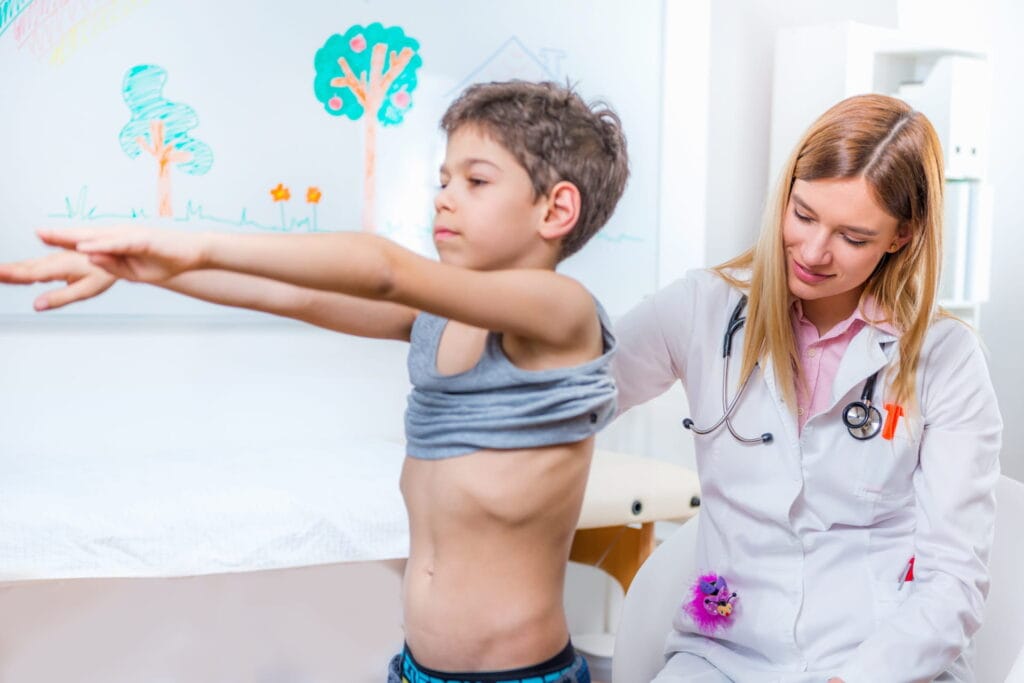
Your child’s pediatrician is your ally in the fight against RSV. Regular check-ups allow for monitoring your child’s health and discussing preventive measures. The Pew Research Center reports that consistent pediatric care plays a crucial role in early detection and prevention of viral infections in children.
Planning your visits to the pediatrician and discussing RSV specifically should be part of your child’s health routine. This ensures that you are up-to-date with the latest pediatric preventive measures and treatments.
Nutritional Defense
A balanced diet rich in vitamins and minerals and staying hydrated with purified or filtered water (not juice) can boost a child’s immune system. The American Nutrition Association recommends foods like fruits, vegetables, and whole grains to strengthen immunity and help ward off infections like RSV.
Handling RSV Exposure
If your child has been exposed to RSV, monitor for any symptoms and consult your pediatrician. In some cases, isolation or medical care may be necessary to prevent the spread and manage the symptoms. The CDC’s guidelines on managing RSV exposure provide a comprehensive approach.
Community Awareness
Creating awareness about RSV in your community, including schools and daycares, is essential. Educating other parents and caregivers can lead to collective preventive efforts. The American Public Health Association emphasizes the role of community awareness in preventing the spread of infectious diseases.
Key Takeaways
- Understand the risks and signs of RSV, especially in young children.
- Implement simple hygiene practices like regular hand washing and surface disinfection.
- Keep up with pediatrician visits for updates on RSV prevention and care.
- Foster a strong immune system in your child through a nutritious diet and staying well hydrated with pure water.
- Raise awareness about RSV in your community to enhance collective prevention efforts.
While RSV can be a cause for concern, being informed and proactive can make a significant difference in keeping your child safe. Engaging with your pediatrician, staying updated on preventive measures, and fostering a strong immune system in your child are key steps. Additionally, spreading awareness in your community helps in creating a safer environment for all children.