
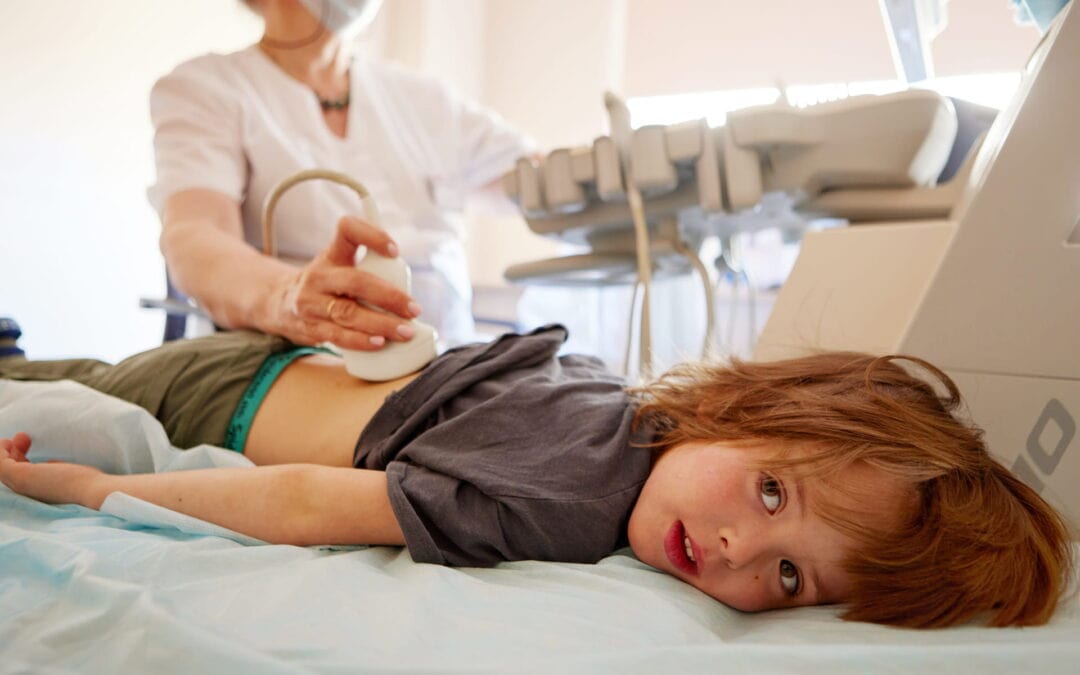
Urgent care centers are increasingly becoming a practical option for children who need prompt medical attention for non-life-threatening conditions. Pediatric urgent care gives families access to child-focused medical care when a regular pediatrician visit is not available. Pediatricians often value these centers because they can help children receive timely treatment while keeping emergency rooms available for severe and life-threatening cases. The American Academy of Pediatrics explains that families should understand when to visit a pediatrician, urgent care, or the emergency room, which makes pediatric urgent care an important part of informed healthcare decision-making.
1. Immediate Medical Attention
Pediatric urgent care centers are known for providing prompt medical attention when a child has a sudden illness or minor injury. Quick evaluation can help families understand what is wrong, what treatment is needed, and whether follow-up care is required. Pediatricians often appreciate this option because children can receive care without waiting for a future appointment when symptoms need same-day attention. MedlinePlus explains that urgent care centers may be appropriate when a person needs care right away, but the condition is not life-threatening, which supports the role of immediate medical attention for non-emergency health concerns.
- Pediatric urgent care centers can provide quick responses for sudden illnesses and minor injuries.
- Immediate assessment can help identify the likely cause of symptoms and guide the next step in care.
- Treatment can often begin during the same visit when the condition does not require emergency room care.
2. Specialized Pediatric Care
Pediatric urgent care centers focus on treating children, which can make the experience more appropriate for young patients. Staff members who regularly care for children understand that symptoms, communication, comfort needs, and treatment approaches can differ by age. This child-centered approach can help families feel more confident when a child needs care quickly. The American Academy of Pediatrics explains that pediatric readiness includes having staff with special interest, knowledge, and skill in emergency nursing care of children, which highlights why specialized pediatric care matters in urgent medical settings.
- Staff members at pediatric urgent care centers are often trained to evaluate and treat children’s health concerns.
- Child-specific care can support safer communication, age-appropriate exams, and more comfortable treatment.
- A pediatric-focused setting can help children feel more understood during an illness or injury.
3. After-Hours Availability
After-hours availability is one of the most useful advantages of pediatric urgent care. Many centers operate during evenings, weekends, or other times when a regular pediatric office may be closed. This accessibility can help families avoid unnecessary emergency room visits when a child needs care quickly but does not have life-threatening symptoms. The American Academy of Pediatrics notes that guidance on when to bring a child to the office, urgent care, or the emergency department can be shared during well-child visits, which shows why after-hours pediatric care decisions matter for families.
- Evening and weekend hours can make medical care more accessible for working parents and school-age children.
- After-hours care can reduce unnecessary emergency room visits for non-life-threatening symptoms.
- Pediatric urgent care can be helpful for sudden illnesses or minor accidents that happen outside regular office hours.
4. Lower Cost Services
Cost is a major factor for many families choosing between urgent care and the emergency room. Pediatric urgent care centers often provide a more affordable option for non-life-threatening illnesses and minor injuries. Lower-cost care can help families receive needed medical attention without using hospital emergency services for conditions that do not require that level of treatment. MedlinePlus explains that emergency department treatment can cost 2 to 3 times more than the same care in a provider’s office, which is why choosing the right lower cost services can help families manage healthcare expenses.
- Pediatric urgent care is often more affordable than hospital emergency room care for non-emergency conditions.
- Clearer pricing and lower copayments may help families plan for common healthcare needs.
- Choosing the right care setting can reduce the financial burden of treating minor illnesses and injuries.
5. Less Intimidating for Children
A pediatric urgent care center can feel less intimidating for children than a hospital emergency room. Child-friendly spaces, calmer waiting areas, and staff familiar with pediatric communication can make visits easier for young patients. A more comfortable environment can also help children cooperate during exams, testing, and treatment. The American Academy of Pediatrics encourages patient- and family-centered care for children in emergency settings, which supports the value of a child-friendly healthcare environment during urgent medical visits.
- Child-friendly environments can help reduce fear during medical visits.
- Staff members may use age-appropriate communication to lower anxiety and improve cooperation.
- A welcoming setting can make urgent care visits easier for both children and parents.

6. Shorter Wait Times
Unlike busy hospitals, pediatric urgent care centers generally have shorter wait times. This efficiency is crucial when dealing with children who are unwell and distressed. Pediatricians prefer urgent care centers as they allow for quicker treatment, which can ease the discomfort of their little patients.
- Quicker service and shorter waiting periods
- Less time in the waiting room means less stress
- Efficient triage and treatment processes
7. Equipped for Emergencies
Despite being smaller than hospitals, many pediatric urgent cares are well-equipped to handle a range of emergencies that are common among children. This capability reassures pediatricians that their patients will receive the necessary care without the need for a hospital visit.
- Advanced medical equipment suitable for pediatric emergencies
- Ability to stabilize patients before transfer if needed
- Readily available necessary emergency interventions
8. Continuity of Care
Pediatric urgent care centers often work closely with a child’s primary pediatrician to ensure continuity of care. This collaboration is important for ongoing health issues and helps keep different providers informed about the child’s recent treatment. The American Academy of Pediatrics recommends that acute care facilities rapidly communicate complete information from each visit to the child’s medical home so follow-up care can remain coordinated and consistent.
- Seamless communication with primary pediatricians
- Shared health records facilitate better treatment plans
- Consistent follow-up on previous visits
- The American Academy of Pediatrics also recommends that pending laboratory or diagnostic results be followed by the provider who ordered them and then communicated to the child’s primary care team.
9. Handling Common Illnesses
For common childhood illnesses, such as flu or ear infections, pediatric urgent care centers provide quick and effective care. Pediatricians rely on these facilities to treat non-severe conditions swiftly, preventing the worsening of symptoms.
- Expertise in treating widespread childhood conditions
- Quick resolution of symptoms
- Prevents progression of diseases
10. Preventative Advice
Beyond immediate care, pediatric urgent care centers can also support disease prevention by reinforcing healthy practices and directing families toward appropriate preventive services. Staff may provide parents and children with education on preventing future illnesses and maintaining good health. A 2026 American Academy of Pediatrics policy statement recommends that acute care facilities identify opportunities to refer children back to their medical home for preventive services and care coordination.
- Guidance on vaccination and health screenings
- Tips for illness prevention at home
- Educational resources for ongoing health management
- The CDC reports that regular handwashing can help prevent diarrhea-related illnesses and respiratory infections such as colds and the flu, making proper hand hygiene an important preventive habit for children.

Key Takeaways for Pediatric Urgent Care Benefits
The preference for pediatric urgent care among pediatricians is based on a comprehensive understanding of its benefits. From immediate medical attention to preventative care, these centers are designed to cater specifically to children and their unique needs.
- Quick and specialized care specifically for children
- Availability during off-hours to provide continuous care
- Cost-effective solutions for families
- A child-friendly environment that eases the stress of medical visits
- Effective management of common childhood illnesses and emergencies
Frequently Asked Questions About Pediatric Urgent Care
What should I bring to a pediatric urgent care visit?
Bring your child’s health insurance information, a list of any medications they are taking, and their medical history if available.
Can pediatric urgent care handle asthma attacks?
Yes, they are equipped to deal with asthma attacks and other respiratory issues, providing immediate treatment and relief.
How do I know if I should go to urgent care or the emergency room?
For life-threatening conditions, always choose the emergency room. For non-emergency issues that can’t wait for a regular doctor’s appointment, pediatric urgent care is appropriate.
Are vaccinations available at pediatric urgent care centers?
Yes, most urgent care centers offer vaccinations as part of their preventative health services.
Can pediatric urgent care centers perform lab tests?
Yes, they can perform a variety of lab tests to diagnose conditions quickly and accurately.